From RAS sludge to recoverable resources.
Sustainable Solutions IR has successfully demonstrated the Waste 2 Energy process in a live aquaculture environment, proving how a difficult RAS waste stream can be treated on site, separated from water, and converted into a viable dry co-product.
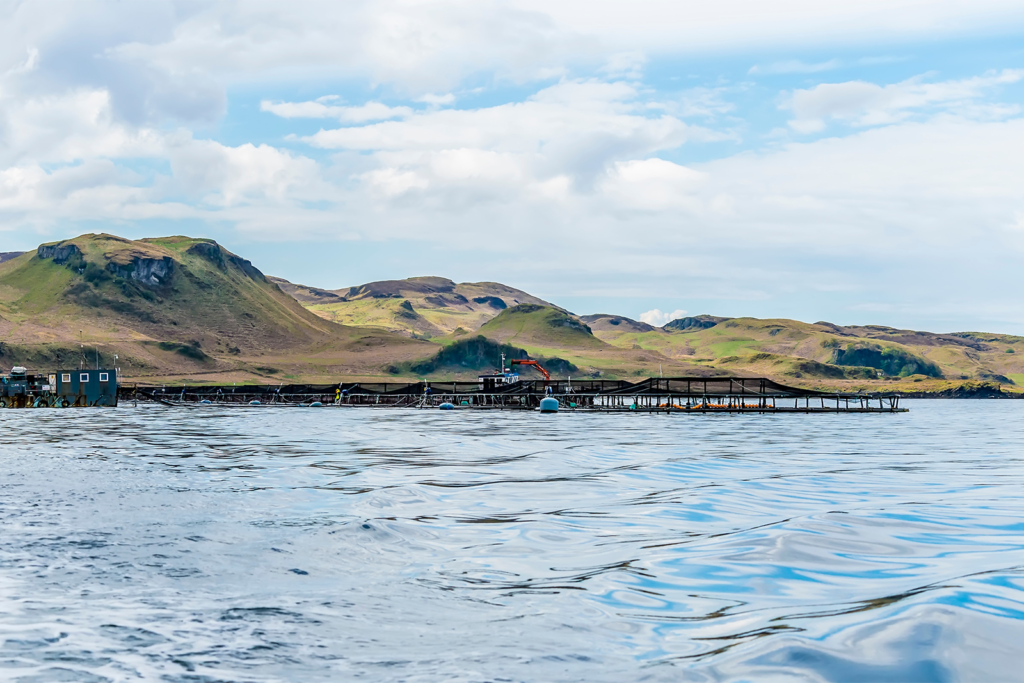
Working with Scottish Sea Farms at the Barcaldine facility near Oban, the 12-week trial focused on dewatering RAS sludge from hatchery operations. The system took hatchery waste directly from the outflow system and processed it through a staged treatment route designed to support water management, reduce wet waste handling, and create a circular route for retained organic material.
Scottish Sea Farm Testimonial
“At Scottish Sea Farms, sustainable growth means more than planned and achievable expansion. It also means looking for ways to improve the environment and support the communities where we live and work.
Our Barcaldine facility, located near Oban on the shores of Loch Creran, is one of the largest and most advanced RAS salmon hatcheries in the world. It plays a critical role in our production cycle by incubating eggs and rearing young salmon until they are robust enough to be transferred to marine farms. Waste management is therefore an area we are keen to focus on.
I have known Peter Meldrum of Sustainable Solutions IR for over eight years and knew of his specialist experience in biowaste, anaerobic digestion and aquaculture sludge. After starting discussions with SSIR in 2024 about the options available for processing RAS waste, we engaged their W2E system for a 12-week trial to prove the concept of dewatering RAS sludge from our Barcaldine hatchery.
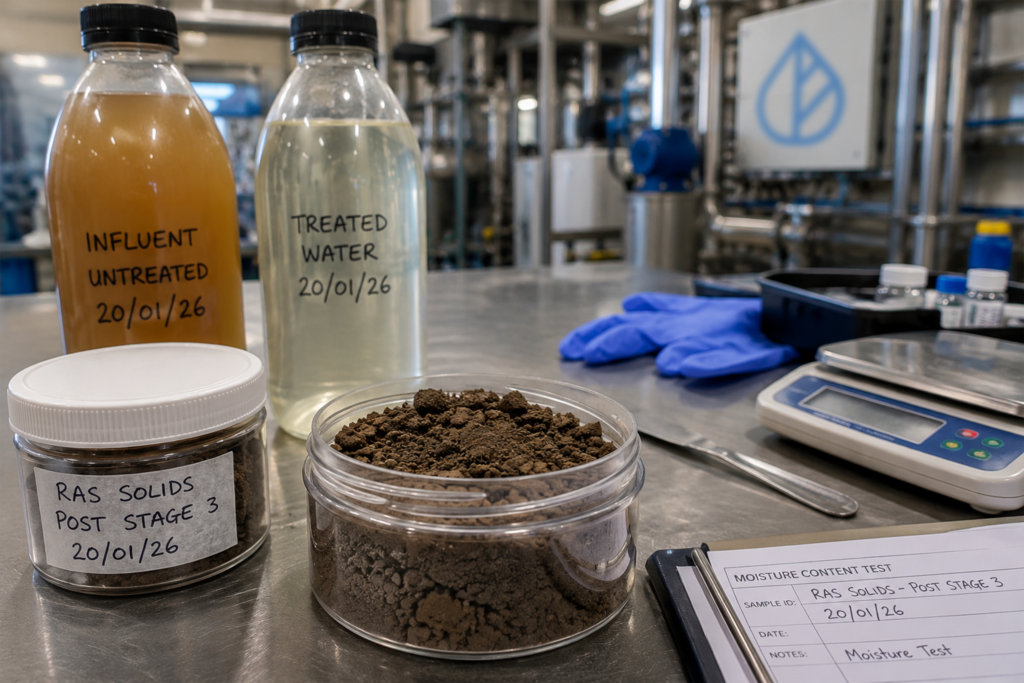
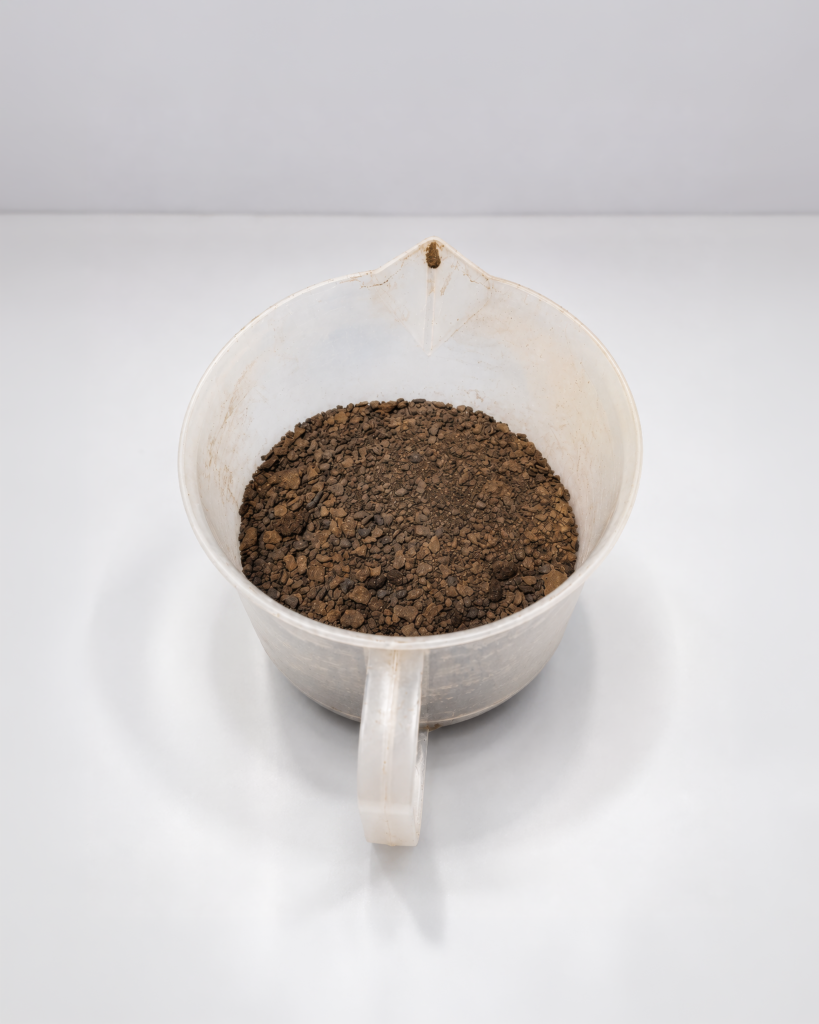
The W2E system takes hatchery waste directly from our outflow system and removes the main body of water during the first stage, allowing a higher solids content to be pressed and thermally treated. The result is a viable by-product, dried to approximately 80 to 95 percent dry solids depending on material and process conditions, with potential use as a commercial fertiliser, AD feedstock or biomass feedstock.
What SSIR has demonstrated to the aquaculture industry is that waste no longer needs to be viewed as a limiting factor in operations. By processing on site and removing water for discharge, there is potential to reduce the haulage of thousands of tonnes of RAS water, reduce carbon and greenhouse gas emissions, and create a circular economy route where by-product sales could help offset the cost of RAS production.
We look forward to working with SSIR on other initiatives in the future.”
The challenge
RAS operations are designed around control, water quality and fish welfare, but retained solids and organic waste still require careful management. For hatcheries and land-based aquaculture sites, wet sludge can create cost, tanker movements, storage pressure and environmental management challenges.
The proof of concept was designed to answer a clear operational question: could RAS sludge be dewatered on site and converted into a more useful, manageable output?
The Waste 2 Energy approach
The Waste 2 Energy unit uses a staged process to separate water from the waste stream and process the remaining organic material:
- Hydraulic separation removes the main body of water and separates heavier material from the stream.
- Mechanical separation further reduces suspended solids and concentrates the retained biowaste.
- Thermal processing reduces moisture and converts the retained organic material into dry matter.
During the trial, Sustainable Solutions assembled and sited the plant before processing waste sump water through the hydraulic, mechanical and thermal stages. The process produced discharge water and a commercial end-use co-product.
The outcome
The trial demonstrated that aquaculture waste does not have to remain a limiting factor. By treating the stream on site, the Waste 2 Energy process can help reduce the movement of water-heavy waste, support discharge and water management objectives, and create a dry co-product with potential use as fertiliser, anaerobic digestion feedstock or biomass feedstock, subject to material quality and relevant approvals.
To find out more about how Sustainable Solutions can support on-site process water treatment and resource recovery, contact sales@ss-ir.co.uk